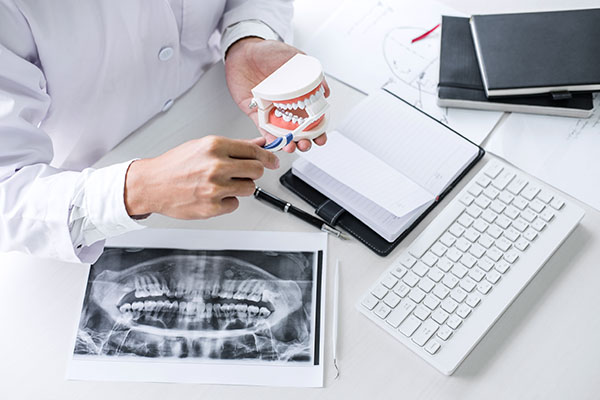
 Dental bonding is a non-invasive type of dental restoration. It is a versatile treatment that can be used to fix discolored, cracked, or chipped teeth. The composite is typically applied directly to the patient’s teeth and the treatment is completed in as little as 45 minutes.
Composite restorations can also be made at a dental lab then cemented to the damaged teeth. This approach requires two trips to the dentist, and it is not as commonly used as directly applying composites. Continue reading to learn more about what to expect during a dental bonding restoration.
What happens during a dental bonding appointment
Getting teeth repaired with composites starts with a consultation with a dentist. The patient’s mouth is examined to determine whether dental bonding is the right approach to the patient’s issues. Problems that can be addressed with composites can typically also be fixed with fillings, crowns, or veneers. The dentist’s job is to figure out which approach works best for the patient and their budget.
The dental bonding process
Dentists rarely use anesthetics when repairing teeth with dental bonding since the process does not cause any pain. The exception is typically when a decayed tooth is being repaired since it needs to be cleaned. Such a tooth will be numbed before the dentist starts the treatment so the patient does not feel pain as the dentist removes decayed parts of their tooth.
The composites used for bonding are made from plastics and glass, and their color can be matched with the shade of the patient’s natural teeth. The dentist uses a shade guide to match the composite with the color of the patient’s teeth.
Before applying the composite to the patient’s teeth, an etching solution will be used to roughen the tooth’s surface; this makes it easier for the composite to adhere to the tooth’s surface. Once the surface has been prepped, the composite is placed on the tooth and molded as needed. The dentist typically does this in layers to create a stronger restoration. The dentist uses a special ultraviolet light to harden the composite and polishes it to make it shine like a natural tooth. The procedure usually takes between 30 to 60 minutes.
Repairing teeth with composite bonding provides a variety of benefits like:
- Composite bonding provides an affordable way to fix a wide range of dental issues
- The process can be completed during a single visit to the dentist
- Local anesthetics are typically not needed
- It does not require making any alterations to natural teeth
- Composites can last upwards of five years with good oral hygiene
- Repairs made with composites can be touched up as needed
Restore your teeth with dental bonding
Composite dental bonding is an affordable way to fix dental issues before they develop into something worse. Call or stop by our Dallas clinic to schedule a consultation.
Request an appointment or call R. David Brumbaugh, DDS at 214-306-4402 for an appointment in our Dallas office.
Related Posts
Dental bonding involves applying a tooth-colored resin material to the visible surfaces of teeth to protect the enamel from additional harm and achieve an ideal smile. The purpose of dental bonding is to address oral health or cosmetic concerns. Dental bonding is particularly useful for addressing issues with the more visible teeth at the front…
Dental bonding is not a permanent solution. This is in contrast to dental veneers, which are considered a permanent solution and are used for similar reasons as dental bonding. However, dental bonding can last for several years if the teeth are cared for properly.The following discussion highlights what the dental bonding procedure involves and why…
Dental bonding may be the right choice for you if you are in need of restorative dentistry. Dental bonding is primarily used to repair chips, cracks, worn-down enamel, gaps between teeth, short teeth, and teeth stains and is often considered a more affordable alternative to dental veneer treatment.Dental bonding may be the right choice if…