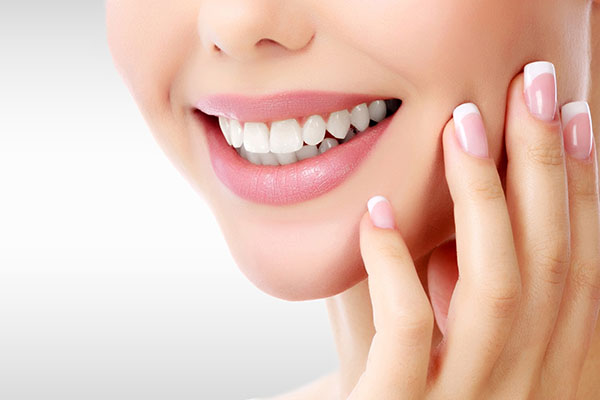
 Teeth whitening from a cosmetic dentist can transform the appearance of your teeth, giving you a bright and confident smile you are proud to show off. However, maintaining these results requires diligent aftercare. In this guide, the R. David Brumbaugh, DDS team has provided essential tips to care for your newly whitened teeth to ensure the results last as long as possible.
Avoid staining foods and drinks
In the first 48 hours after the whitening procedure, the patient needs to avoid anything acid-based, such as soda, pickles, and citrus fruits like oranges and lemons. Additionally, avoid the following staining foods:
- Coffee
- Teas
- Red wine
- Dark berries
- Soy sauce
- Curry powder
Consuming these foods and drinks can reduce the effectiveness of the whitening treatment and can even cause long-term damage to the teeth. Instead, eat mild and light-colored foods like milk, potatoes, yogurt, and skinless chicken breasts. If you consume dark-colored food, be sure to rinse out your mouth with water and brush your teeth or chew sugar-free gum within 20 minutes of finishing the meal.
Stay hydrated
Drinking plenty of water is beneficial to one's overall health. Staying hydrated also keeps teeth white. Water helps wash away food particles and bacteria that can lead to discoloration and stains.
Additionally, using a straw can significantly reduce the effect of staining beverages on the teeth. Straws can protect the teeth from discoloration from coffee, tea, and soda. It is a simple and effective way to maintain one's smile.
Practice good oral hygiene
Good oral hygiene habits are essential, especially after teeth whitening. Patients should brush their teeth at least twice daily with whitening toothpaste and floss daily to remove plaque and food particles from between their teeth and along their gum line. Our team will provide a list of recommended products that can help keep teeth white and healthy. Additionally, consider using antiseptic mouthwash to kill any remaining bacteria and maintain fresh breath.
Go to regular dental check-ups
Visiting a general dentist every six months is essential in maintaining one's oral health and well-being. Professional cleanings help remove surface stains and plaque that can accumulate over time. During these visits, the dentist can monitor the condition of the patient's teeth and provide additional whitening treatments if necessary.
Avoid smoking and other tobacco use
On top of other harmful effects, smoking and other tobacco use are also a leading cause of tooth coloration. Nicotine and tar from cigarettes can quickly stain the teeth, undoing the effects of teeth whitening treatment. Quitting smoking can preserve the brightness of one's teeth and overall health.
Use a whitening pen or touch-up kit
Despite all the best efforts, it is natural to notice discoloration over time. The cosmetic dentist may recommend using a whitening pen or touch-up kit to maintain one's smile. These products are easy to use at home and help prolong the effects of the professional whitening treatment.
Additionally, one may consider using at-home whitening trays every six months, especially if one is a regular coffee or wine drinker. A whitening tray often lasts for multiple days and is simple to use. Add the whitening gel to the tray and leave it in one's mouth for one to two hours. However, only do at most two touch-ups during a single period.
Learn more aftercare tips from the R. David Brumbaugh, DDS team
Properly caring for your smile after teeth whitening requires a combination of good habits and professional guidance. Do you have any questions about how to care for your newly brightened smile? Call our Dallas office for more essential aftercare tips.
Request an appointment or call R. David Brumbaugh, DDS at 214-306-4402 for an appointment in our Dallas office.
Related Posts
A cosmetic dentist is a dental professional who helps patients achieve the aesthetic that they want from their smile. Whether patients are feeling self-conscious due to stains or have a fear of smiling because of the size of their teeth, a cosmetic dentist can bring a person’s smile into alignment with their goals. If you…
Cosmetic dentists can improve many undesirable aspects of your smile. It is important to remember that they primarily focus on aesthetic impurities rather than function or health issues. Learning what they can address can help you determine when to give one a call.Teeth damage can result from trauma or decay. This can seriously impact the…
A cosmetic dentist specializes in improving the appearance of your teeth. This dental professional offers a variety of services that can help enhance your smile and boost your confidence. Each of these cosmetic services can help you achieve the confident and beautiful smile you desire.One of the most popular treatments provided by a cosmetic dentist…