Avoiding Infection With Dental Implants
Today, many people are choosing dental implants to treat severe damage and tooth loss. This procedure is often preferred to other alternatives because it offers natural-looking results that usually last a lifetime. However, it is necessary to properly care for implants, especially during the first few weeks after surgery.
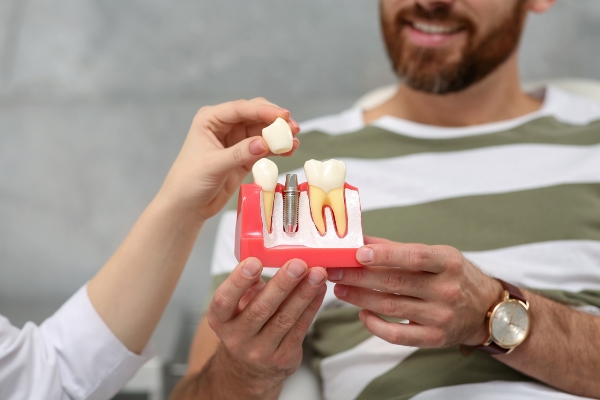
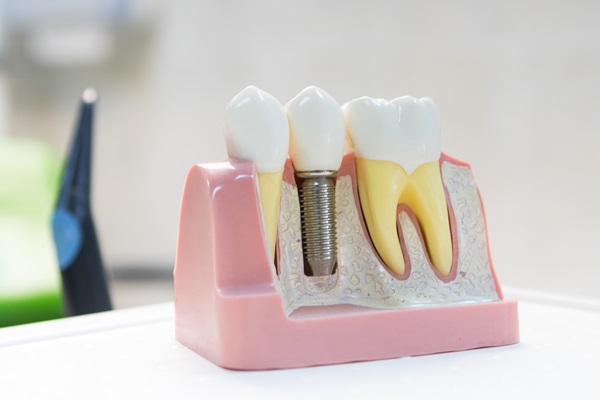
For many people, dental implants require multiple surgeries or steps that may include:
- Removal of all parts of the affected natural tooth
- Bone grafts for those with weakened or damaged jaw bones
- Surgical placement of the implant
- Surgical placement of the abutment
- Attachment of the prosthetic tooth to the abutment
It is imperative that every patient follows a dentist's instructions for follow-up care for the first few weeks after every visit. Otherwise, serious complications could arise, including infection.
Protecting dental implants against infection
Any time an incision is made in the body, infection is an understood risk, though it may be relatively low. Because a surgical incision is required to place a dental implant, an infection can occur. According to a study led by Octavi Camps-Font, between four and 10 percent of patients who received dental implants developed an infection afterward. In most of these situations, the infections ultimately led to implant failure. The good news is that there are steps every patient can take to significantly reduce the risks of developing an infection.
Drinking and spitting
After any type of dental surgery, one of the most common complications is dry sockets. These can occur when a blood clot is unable to form over the incision site. Dry sockets are often very painful and can also increase the risks of developing an infection by leaving internal tissues exposed to bacteria that enter the mouth. To prevent dry sockets while promoting healing, avoid drinking from a straw and spitting for the first few days after surgery as these actions can create a vacuum in the mouth and dislodge clots. Patients should drink from a cup and allow water to fall from their mouths while rinsing instead.
Cleaning the area
Proper dental hygiene is the most effective way to protect against infection. On the day of surgery, patients do not need to worry about cleaning the incision site. Normal brushing and flossing can resume the next day, although patients should take care when cleaning around the area to prevent the disruption of any clot formation. Warm salt water rinses can help keep bacteria under control while soothing inflammation and preventing further discomfort. Once bleeding has stopped and the tissues have begun to heal, normal routine brushing and flossing should resume.
Dietary changes
A soft food diet is often ideal for the first few days after a dental implants procedure. This helps minimize discomfort and makes eating a little easier on the patient. When the patient feels up to enjoying more solid foods again, stay away from options that can become lodged in the incision area and lead to bacterial buildups, such as nuts, seeds, and popcorn. In addition, avoid alcohol for the first 72 hours, as this can inhibit the proper healing of the soft tissues. Sticky, hard, and spicy foods should also be avoided to minimize pain and avoid damage.
Identifying the signs of dental infections
All infections should be taken seriously because they can get into the bloodstream if left untreated for too long. This can lead to sepsis, a dangerous and sometimes fatal condition that causes inflammation throughout the entire body. The most common symptoms of an infection are:
- Abnormal or unexplained bleeding
- Swelling
- Pain
- Redness
- Oozing or drainage in the area
- Fever
Unfortunately, many of the signs of an infection are also normal side effects after a dental procedure. Patients must take care to monitor their symptoms carefully.
After dental implant surgery, patients can expect swelling, bleeding, and pain for the first few days. These symptoms should improve continuously. Anything that persists or worsens after 72 hours warrants a phone call to the dentist. If a patient notices pus around the area or develops a fever, he or she should see a dentist right away.
Conclusion
While dental implants are a safe and effective way to treat tooth damage and loss, they carry with them a small chance of developing an infection. For this reason, it is important to follow a dentist's instructions for home care after every procedure and to clean the incision area thoroughly and carefully. Doing so can help minimize the chances of getting an infection while protecting the implants from failure.
Request an appointment here: https://drdavidbrumbaugh.com or call R. David Brumbaugh, DDS at (214) 306-4402 for an appointment in our Dallas office.
Check out what others are saying about our dental services on Yelp: Dental Implants in Dallas, TX.
Related Posts
You can do research on dental implants on your own, but getting the facts from your dentist can give you more inside information. These restorations can replace dental roots and crowns. Each one can improve your smile and strengthen your bite. The following are facts that you can get from your general dentist when it…
Dental implants are more secure than removable dentures. These restorations can make smiling, speaking, and eating more stable. Embarrassment and awkwardness will be non-existent once these restorations are in place. Here are the details on how dental implants can serve as solid dental replacements.Osseointegration is the process behind the strength and stability of dental implants.…
The dental implant process is lengthy and intricate. Therefore, patients must receive a thorough examination before embarking on the dental implant process. The dentist will check for abnormalities, sufficient amounts of healthy gum tissue and jawbone, and specific medical or lifestyle concerns. Fortunately, if any of these issues are present, some services can improve the…
Missing one tooth or multiple teeth can make it harder to perform everyday functions. It can also make you feel self-conscious about smiling. Dental implants not only restore the function and appearance of your smile, but they also help restore your everyday oral health.Dental implants are artificial tooth roots surgically placed in a person's jawbone.…