5 Reasons to Seek Sleep Apnea Treatment from a Dentist
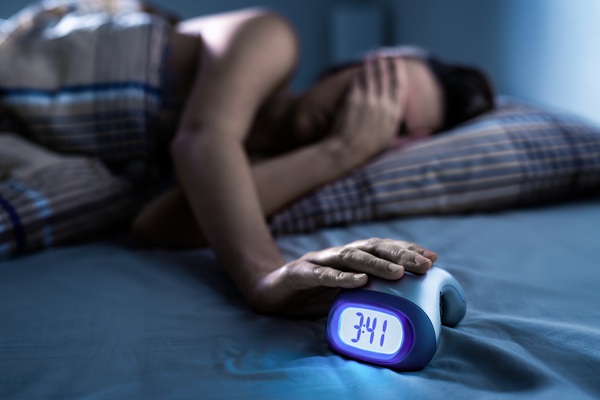
Sleep apnea disrupts breathing during sleep and increases the risk of daytime fatigue, headaches, and cardiovascular strain. A general dentist evaluates airway health during routine visits and identifies red flags such as snoring, grinding, and jaw crowding. When appropriate, the dentist collaborates with a physician to confirm a diagnosis, then offers practical options, often an oral appliance, that fit daily life. Acting early prevents enamel wear from grinding, reduces morning jaw soreness, and supports more restful sleep. With a clear plan and steady follow-up, patients can address sleep apnea efficiently and maintain long-term oral and overall health.
What having sleep apnea means
Sleep apnea occurs when breathing repeatedly stops or becomes shallow during sleep. Obstructive sleep apnea, the most common type, happens when soft tissues collapse and narrow the airway. Typical signs include loud snoring, witnessed pauses in breathing, dry mouth upon waking, and daytime sleepiness. A general dentist recognizes patterns linked to airway issues—wear facets from grinding, scalloped tongue edges, or a retruded lower jaw—and can recommend a medical sleep study to measure breathing events, sometimes reported as the apnea-hypopnea index.
For many mild-to-moderate cases, dentists provide oral appliance therapy that gently repositions the lower jaw to keep the airway open. These custom appliances help prevent tissue collapse, allowing smoother airflow throughout the night. This approach complements medical care and helps many patients follow through with treatment by offering comfort and convenience without bulky masks or machines. By combining dental insight with medical evaluation, patients receive a comprehensive plan that supports both oral and systemic health.
Five reasons to choose a dentist
Airway-focused exam
A general dentist screens for snoring, grinding, and bite relationships that restrict airflow, then coordinates with a physician for testing and diagnosis. Dental evaluations often reveal subtle patterns linking oral health to sleep quality, enabling early intervention before more severe symptoms develop.
Custom oral appliances
Precise digital scans or impressions create a slim device that gently advances the lower jaw to help prevent airway collapse, without bulky equipment. Because each appliance is tailored to the individual’s bite and jaw structure, it fits securely and promotes consistent nightly use.
Comfort and adherence
Many patients find a well-fitted appliance easier to use consistently than alternatives, which supports regular treatment and better nightly results. Consistency is key to reducing daytime fatigue, improving mood, and lowering health risks associated with untreated sleep apnea.
Protection for teeth and joints:
Appliances can reduce grinding-related enamel wear and morning jaw tension by stabilizing the bite during sleep. By preventing chronic clenching and friction, the device not only improves airway function but also safeguards dental restorations and natural tooth structure.
Ongoing monitoring
Regular dental visits allow measured adjustments, bite checks, and appliance maintenance, keeping therapy effective over time. A dentist tracks fit and function, ensuring the appliance continues to promote healthy breathing as facial and dental changes occur naturally with age.
Together, these advantages streamline care and link breathing health with dental wellness. When the airway, bite, and oral tissues function harmoniously, patients experience deeper, more restorative sleep and greater overall comfort.
How treatment works
Evaluation starts chairside. The dental team reviews health history, medications, and sleep concerns such as snoring, morning headaches, or fragmented sleep. If signs suggest sleep apnea, the dentist coordinates with a physician to arrange a home sleep test or an in-lab study to confirm the severity. Collaboration ensures accuracy and allows both providers to tailor treatment to the patient’s specific needs.
When an oral appliance fits the diagnosis and goals, the dentist takes digital scans, records jaw position, and orders a device from a dental lab. At delivery, the team reviews insertion, cleaning, and storage, then sets a short series of follow-ups to fine-tune the position for comfort and effect. Each adjustment is measured to balance airway support with joint comfort, ensuring that breathing remains consistent without strain.
Long-term success depends on ongoing evaluation. Dentists monitor changes in the bite, sleep quality, and appliance integrity, making small refinements as needed. They also provide education on sleep hygiene, posture, and relaxation techniques that complement appliance therapy. This continuous, patient-centered approach reinforces long-term stability and comfort while preventing relapse or new airway complications.
Schedule your visit
Addressing sleep apnea through dental care brings a practical, personalized pathway that links airway health with bite comfort and tooth protection. Early screening, custom appliance therapy, and coordinated follow-up help many patients improve nightly breathing and reduce grinding-related damage. For more information or to schedule an appointment, call our office at (214) 306-4402.
To schedule a consultation, request an appointment on our website at https://drdavidbrumbaugh.com or call R. David Brumbaugh, DDS at (214) 306-4402 for an appointment in our Dallas office.
Check out what others are saying about our dental services on Yelp: Do I Have Sleep Apnea in Dallas, TX.
Related Posts
Sleep apnea is a disorder in which your breathing stops and starts periodically throughout sleep. When this occurs, your body awakens you and tells you to start breathing again. Repeated sleep disturbances make it harder to sleep properly, and you will be especially fatigued throughout the day.Sleep apnea affects you beyond daytime fatigue. Without treatment,…
You probably have heard about sleep apnea, but there may be aspects of this condition that you do not understand. It can be a serious problem and may affect your overall health if you do not treat it. Many people who struggle with it may search for answers from a general physician. While this can…
If you are struggling with sleep apnea, you need to address the condition right away. This is not an issue that will generally go away on its own. It is also a serious problem that can lead to severe health challenges. Luckily, your dentist is a good resource to turn to for help. Your dentist…
OSA, or obstructive sleep apnea, is a health issue that should receive proper treatment. Your dentist can help you manage this disorder with the proper dental appliance. The oral device will be custom-fit for your needs. Here are the dental appliances that can help with your sleep apnea.This problem involves the blockage of the airways…